
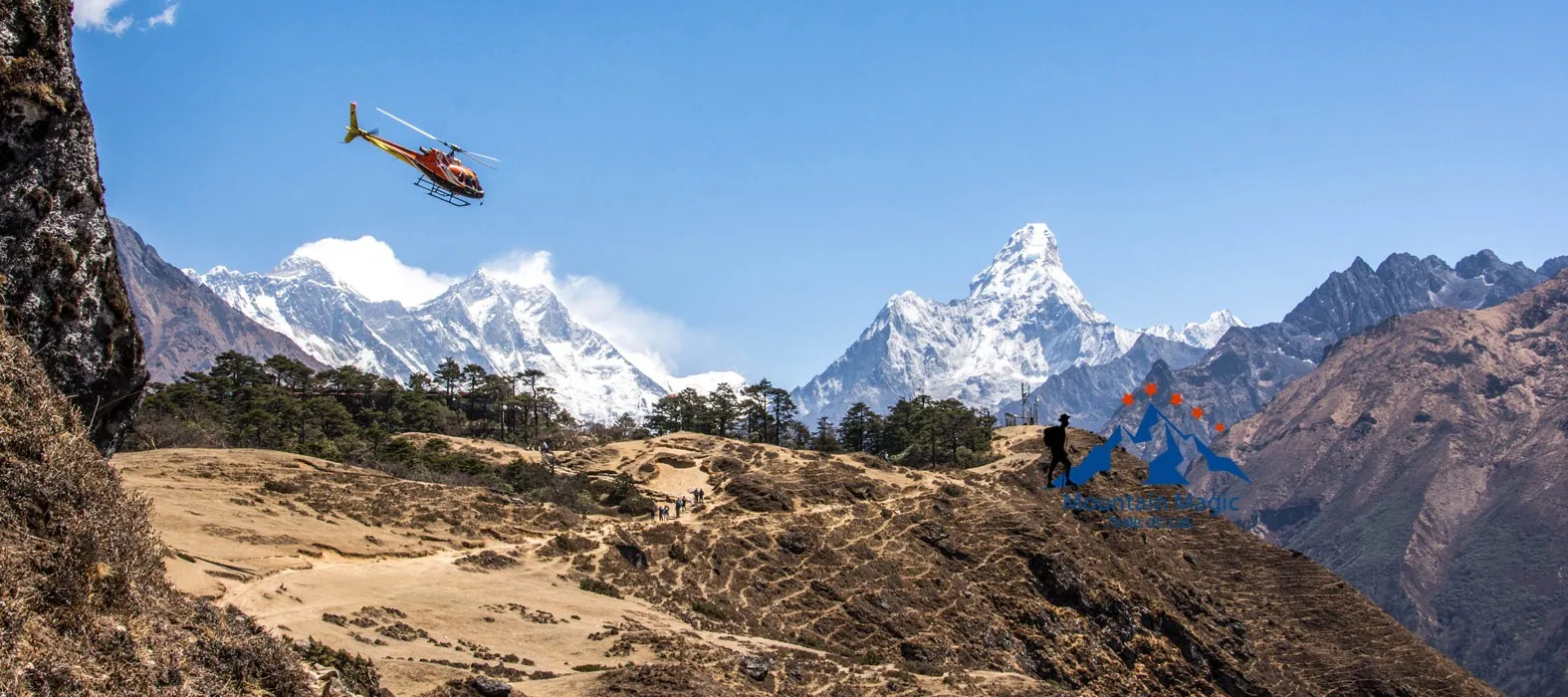
Mountain sunlight can be much stronger than many travelers expect. Even when the air feels cold, ultraviolet radiation can affect exposed skin and eyes. High-altitude environments create additional challenges because the atmosphere provides less protection from some forms of solar radiation.
During the Everest Base Camp Trek with Helicopter Return, travelers move through valleys, open slopes, rocky terrain, and areas with snow and ice. These different surfaces influence how sunlight reaches the body. Understanding ultraviolet exposure helps travelers protect themselves throughout the journey, especially during long outdoor walking days.
Why Sunlight Exposure Increases With Elevation
Ultraviolet radiation, commonly called UV radiation, is part of sunlight. It can damage skin and eyes even when temperatures are low.
At higher elevations, the atmosphere is thinner, so less UV radiation is absorbed before reaching the ground. As a result, UV exposure generally increases with altitude.
Cold Weather Does Not Mean Weak Sunlight
One common mistake is assuming that cold weather reduces the risk of sun damage. Temperature and UV intensity are different things.
A traveler may feel comfortable because of cool mountain air while receiving considerable UV exposure. Clouds can also reduce direct sunlight without completely blocking ultraviolet radiation.
How Snow and Ice Reflect Ultraviolet Radiation
Snow is a highly reflective surface. Instead of receiving sunlight only from above, travelers in snowy areas may receive reflected radiation from the ground as well.
This creates additional exposure to the face, chin, neck, and eyes.
Why Reflected Light Matters
The combination of direct sunlight and reflected radiation can increase the amount of UV reaching exposed areas.
The upper Khumbu region includes glacial terrain and snow-covered mountain slopes. Travelers should therefore protect themselves even when they are not standing directly beneath bright sunlight.
Understanding Sunburn at High Altitude
Sunburn happens when ultraviolet radiation damages the outer layers of the skin. It can cause redness, pain, swelling, and peeling.
At high elevation, exposed skin may receive substantial UV radiation during a relatively short period outdoors.
Areas That Need Extra Protection
Some body areas are easy to overlook:
- The nose and cheeks.
- The ears and the back of the neck.
- The lips.
- The forehead.
- The backs of the hands.
- Skin around the eyes.
A scarf or neck covering can help protect areas that sunscreen may not cover consistently.
Choosing Suitable Sunscreen for the Trek
Sunscreen helps reduce UV exposure when applied correctly. A broad-spectrum sunscreen with SPF 30 or higher is a practical choice for mountain travel.
Broad-spectrum products protect against both UVA and UVB radiation.
Correct Application Matters
For better protection:
- Apply sunscreen to exposed skin before going outside.
- Follow the product instructions for the amount required.
- Cover the ears, nose, neck, and other exposed areas.
- Reapply regularly according to the label.
- Reapply after heavy sweating or wiping the skin.
Sunscreen should not be treated as complete protection. Clothing, hats, and sunglasses remain important.
Protecting Eyes From Strong Mountain Light
The eyes are also vulnerable to ultraviolet radiation. Long exposure to intense sunlight, particularly when it reflects from snow, can cause discomfort and damage.
Snow glare can make it difficult to keep the eyes open and may reduce visibility while walking.
What Sunglasses Should Provide
Travelers should choose sunglasses that offer 100% UVA and UVB protection or are clearly labeled UV400.
Wraparound designs can reduce sunlight entering from the sides.
For bright snow conditions, suitable glacier glasses may provide additional coverage. Ordinary dark lenses without proper UV protection are not a safe substitute.
Understanding Snow Blindness
Photokeratitis, often called snow blindness, is a painful eye condition caused by excessive ultraviolet exposure.
It can occur when reflected UV radiation damages the surface of the eye.
Symptoms to Recognize
Symptoms may include:
- Eye pain or burning.
- Redness and watering.
- Sensitivity to light.
- A gritty feeling in the eyes.
- Blurred vision.
Symptoms may develop several hours after exposure rather than immediately.
Anyone experiencing significant eye pain or vision changes should stop exposure and seek medical assessment. Do not assume that severe symptoms will disappear without attention.
Sun Protection Across Different Trekking Locations
UV exposure can vary with elevation, cloud cover, terrain, and time spent outdoors.
Lower settlements may have more tree cover, while higher sections are often more open and exposed.
Where Protection Becomes Particularly Important
- Namche Bazaar: Open viewpoints and outdoor walking sections can expose travelers to direct sunlight.
- Tengboche: Clearings and exposed sections of the trail provide limited shade.
- Dingboche: The landscape becomes more open, with fewer natural barriers against sunlight.
- Lobuche: High elevation and exposed terrain increase the importance of full sun protection.
- Gorakshep: The rocky, open surroundings provide little shade.
The Everest Base Camp Trek with Helicopter Return includes several exposed sections, so sun protection should be part of daily preparation rather than something used only on sunny afternoons.
Building a Practical Sun Protection Routine
Carrying the right products is useful, but using them consistently matters more.
A Simple Daily Protection Checklist
Before leaving the lodge:
- Apply broad-spectrum sunscreen.
- Use SPF lip balm.
- Put on UV-protective sunglasses.
- Wear a suitable hat or head covering.
- Cover exposed skin when conditions require it.
- Keep sunscreen accessible for reapplication.
Travelers should also protect their skin during cloudy conditions because UV radiation can still reach the ground.
Final Thoughts
Strong mountain sunlight is an important environmental factor on the Everest route. Higher elevation, reflective snow, and long periods outdoors can increase exposure even when temperatures remain low.
During the Everest Base Camp Trek with Helicopter Return, proper sunglasses, broad-spectrum sunscreen, protective clothing, and regular reapplication help reduce unnecessary UV exposure. Protecting the eyes and skin should be treated as a basic part of high-altitude travel, not an optional extra.
Frequently Asked Questions
1. Is UV exposure stronger at high altitude?
Generally, yes. UV exposure increases with elevation because the thinner atmosphere absorbs less ultraviolet radiation.
2. Can travelers get sunburned in cold weather?
Yes. Cold temperatures do not prevent ultraviolet radiation from damaging the skin.
3. What SPF is suitable for mountain trekking?
Broad-spectrum SPF 30 or higher is a practical choice. Travelers should follow the product instructions and reapply regularly.
4. Why are sunglasses important near glaciers?
Snow and ice reflect sunlight, increasing UV exposure to the eyes. Sunglasses with 100% UVA and UVB protection help reduce this risk.
5. What is snow blindness?
Snow blindness is a painful condition caused by ultraviolet damage to the surface of the eye. It can cause redness, watering, light sensitivity, and blurred vision.